
THE BASICS
Helicopter Engineering & Maintenance.
What kind of engineering support do helicopters need?
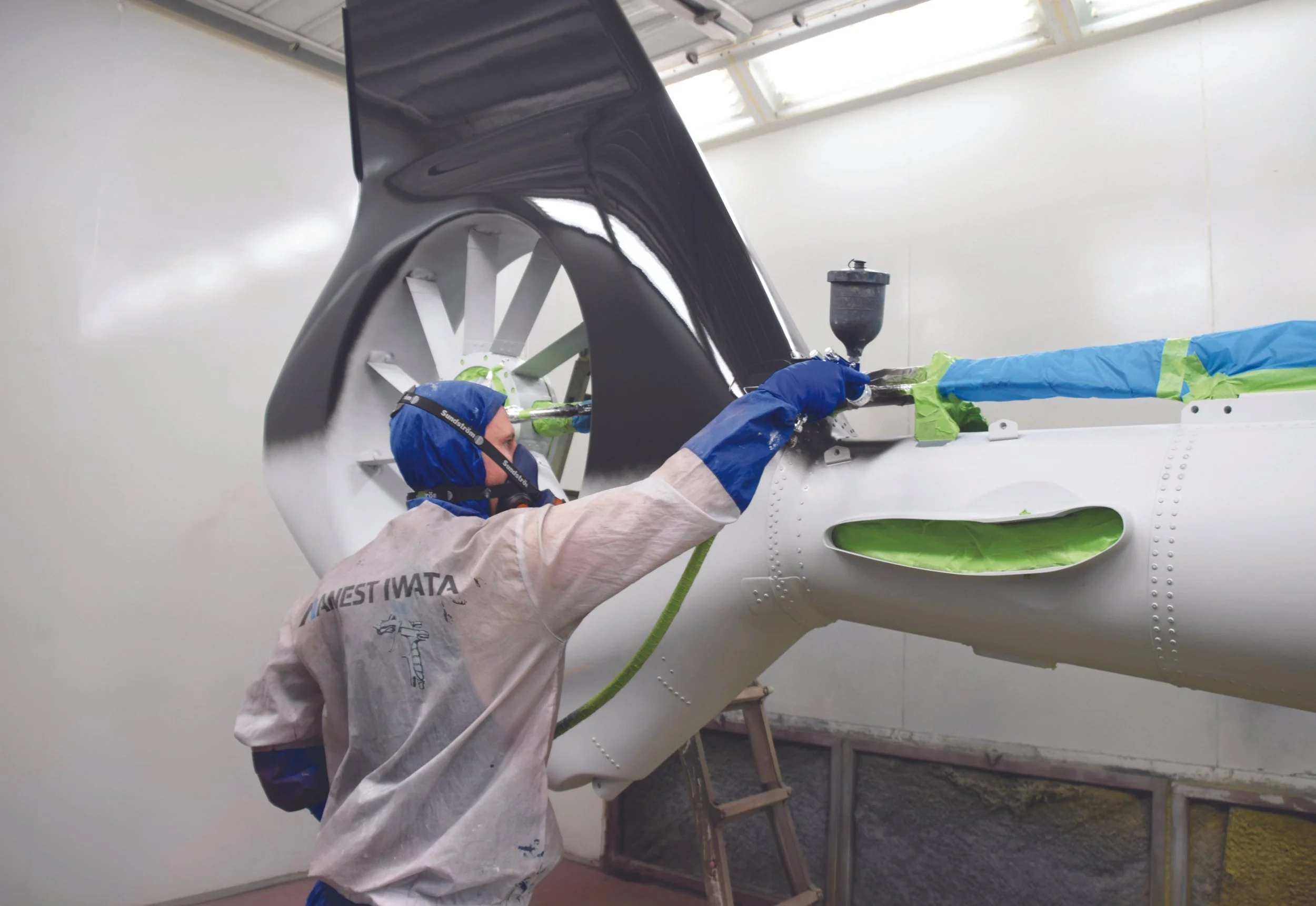
Helicopters operating in harsh environments such as deserts, the tropics or marine environments require considerably more maintenance and more frequent checks / inspections.
Helicopter maintenance in Australia takes place at various specialised facilities, including dedicated maintenance hangars, workshops, and aviation repair stations located at airports and heliports across the country (and sometimes it can take place on site in remote locations!).
These facilities are equipped with the necessary tools, diagnostic equipment, and skilled personnel to perform a range of maintenance tasks, from routine inspections and minor repairs to major overhauls and system upgrades.
Helicopters are complex and dynamic machines.
They require regular:
Detailed inspections at specified periods
Called periodic inspections.
Servicing
Just like motor vehicles, helicopters come in different makes and models and while each one has its own maintenance regime, most commonly require:
A daily pre-flight inspection
Maintenance inspections
Similar to motor vehicle service after 50, 100, 500, 2,000 or 5,000 flight hours
Complete overhaul or rebuild
After a certain number of flight hours or years.
History and Development
The history of helicopter operations in Australia dates back to the post-World War II era when the first helicopters began to appear in the country. Initially used for military purposes, the versatility and utility of helicopters quickly became apparent, leading to their adoption in civilian roles.
1950s-1960s
The introduction of helicopters into civilian roles began in earnest, with applications in agriculture and search and rescue emerging as early uses.1970s-1980s
This period saw significant growth in the industry, with advancements in technology leading to more reliable and capable helicopters. The expansion of EMS and SAR operations marked this era.1990s-Present
The helicopter industry has continued to evolve, with a focus on safety, training, and technological innovation. The fleet has modernized, and the range of operational activities has expanded significantly.
Today, the Australian helicopter industry is a sophisticated and essential component of the broader aviation sector. It supports a wide range of critical services and continues to innovate and adapt to meet the changing needs of the country. The industry’s commitment to safety, efficiency, and service excellence ensures that helicopters will remain a vital part of Australia’s infrastructure and emergency response capabilities for years to come.
Predicted Future Demand
Looking ahead, the demand for helicopter engineers in Australia is expected to remain strong and potentially increase. Several trends and factors support this outlook:
Technological Advancements
As helicopter technology continues to advance, there will be a need for engineers who are proficient in new systems and components, including avionics, advanced materials, and automated systems.Increased Utilisation
The anticipated growth in sectors such as emergency medical services, disaster response, and commercial transport will require a larger and more technically proficient maintenance workforce to support expanded operations.Training and Education
Investments in training and education programs are expected to grow, fostering a new generation of engineers equipped with the latest skills and knowledge. This will help meet the rising demand and address the skill gap created by retiring engineers.
Current and Predicted Demand for Helicopter Engineers in Australia
Current Demand
The demand for helicopter engineers in Australia is robust and growing. As the helicopter industry expands across various sectors, the need for skilled maintenance professionals has become increasingly critical.
Several factors contribute to this high demand:
Fleet Expansion and Modernization
With the continuous growth and modernisation of the helicopter fleet, there is a pressing need for engineers who are trained in the latest technologies and maintenance practices.Regulatory Requirements
Strict aviation safety regulations necessitate regular maintenance and inspections, creating a steady demand for qualified engineers to ensure compliance and operational safety.Diverse Operational Activities
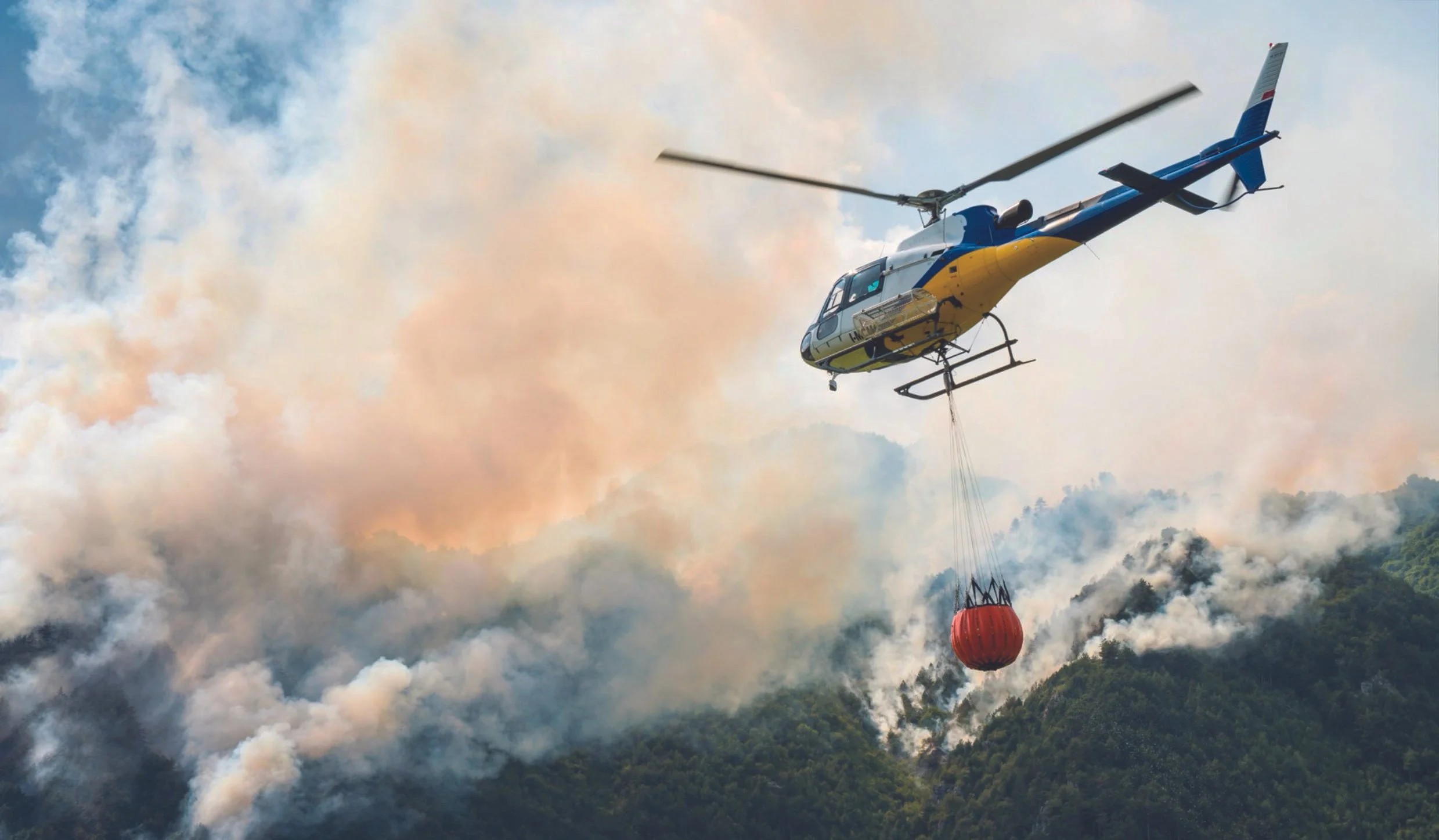
The wide range of helicopter operations, including emergency medical services, fire-fighting, search and rescue, agriculture, and tourism, all require specialised maintenance skills to keep the fleet operational and safe.Aging Workforce
The helicopter engineering workforce is aging, leading to an increasing number of retirements. This trend is driving a demand for new talent to replace experienced engineers and maintain industry standards.
Global Market Integration
Australia’s integration into the global helicopter market, including participation in international operations and collaborations, will necessitate a workforce that is adaptable and skilled in a range of maintenance practices and standards.Sustainability and Efficiency Initiatives
As the industry moves towards more sustainable and efficient operations, there will be a demand for engineers who are knowledgeable in green technologies and practices.
The demand for helicopter engineers in Australia is currently high and is expected to grow in the future. This presents a significant opportunity for individuals interested in pursuing a career in this field, as well as for educational institutions and training providers to develop programs that address the evolving needs of the helicopter industry.