
AN OVERVIEW
THE AUSTRALIAN HELICOPTER & MAINTENANCE INDUSTRY.
Welcome to the Australian Helicopter Industry Association’s (AHIA) Helicopter Engineering Careers Guide. The AHIA is thrilled to have collaborated with members and industry partners to deliver this comprehensive guide designed to excite and educate you about the rewarding and dynamic careers in helicopter engineering and maintenance.
Introduction to the Australian Helicopter Industry
The Australian helicopter industry is a dynamic and integral part of the nation’s aviation sector, contributing significantly to a range of critical operations and services
Fleet Size and Composition
Australia boasts a substantial and diverse helicopter fleet, comprising over 2,000 helicopters of various makes and models. This fleet includes everything from small, versatile light helicopters to larger, more powerful machines capable of heavy lifting and long-range operations. The fleet is continually growing and modernizing, incorporating the latest advancements in aviation technology to ensure safety, efficiency, and effectiveness in operations.Operational Activities
The operational activities of helicopters in Australia are vast and varied, reflecting the country’s unique geographical and societal needs:Emergency Medical Services (EMS)
Helicopters play a crucial role in providing rapid medical response and transportation, especially in remote and rural areas where access to healthcare facilities is limited. Organizations like the Royal Flying Doctor Service and various state-based aeromedical services rely heavily on helicopters to save lives
Search and Rescue (SAR)
Helicopters are essential in search and rescue missions, offering unmatched capabilities in accessing hard-to-reach areas, whether it’s at sea, in mountainous regions, or during natural disasters.Agriculture
In the agricultural sector, helicopters are used for crop spraying, livestock mustering, and other essential tasks. Their ability to cover large areas quickly and efficiently makes them invaluable to Australian farmers.Fire-fighting
With Australia’s frequent and severe bushfires, helicopters are critical in aerial fire-fighting operations. They provide rapid response, water bombing, and support for ground crews.Tourism and Transport
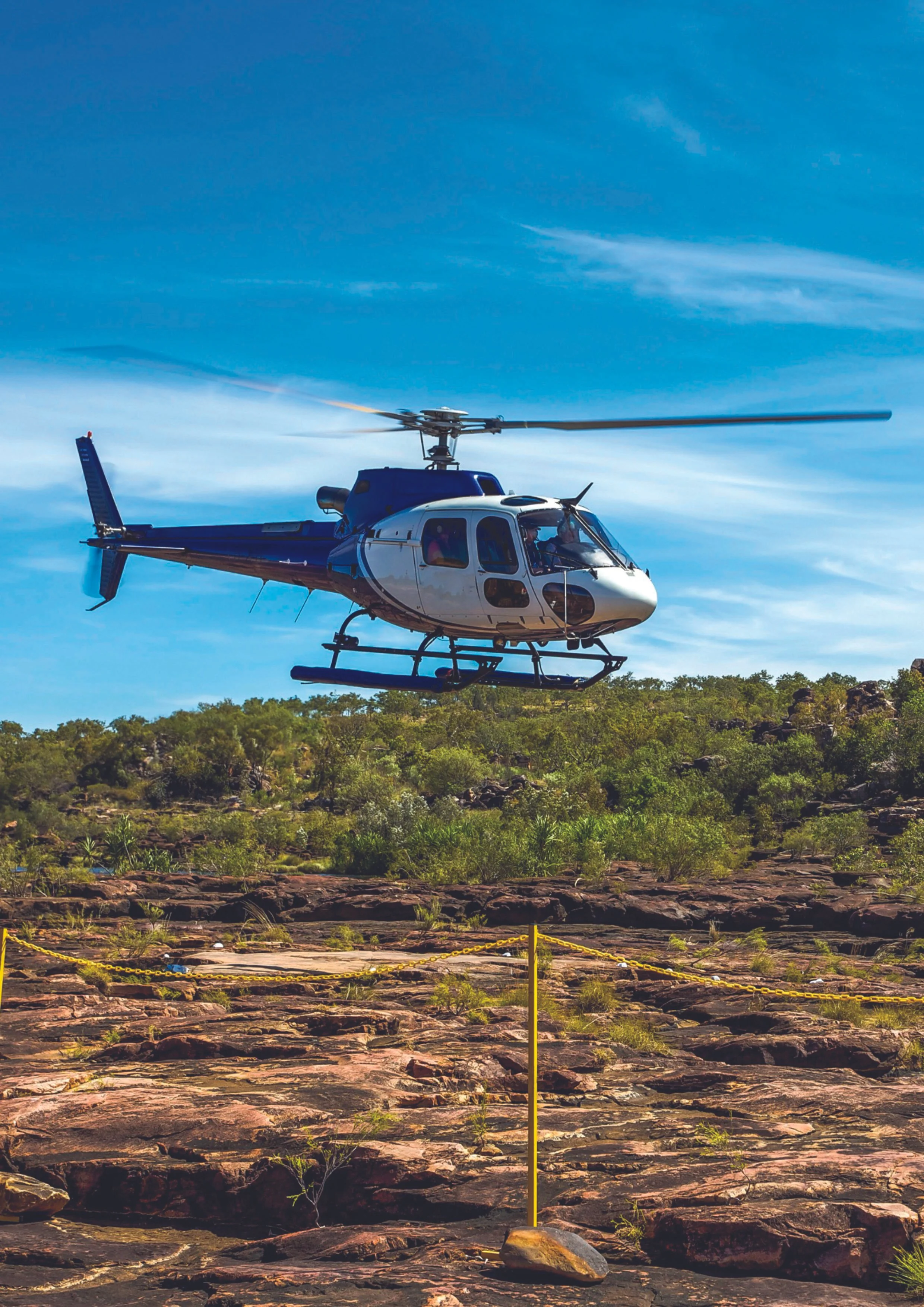
Helicopters offer unique tourism experiences, providing breathtaking aerial views of Australia’s iconic landscapes. They also serve as a convenient mode of transport for remote and offshore locations.Law Enforcement and Surveillance
Police and other law enforcement agencies use helicopters for a range of activities, including patrols, surveillance, and rapid response to incidents.
From emergency medical services to agriculture, the versatility of helicopters makes them indispensable in both urban and remote areas across Australia.

History and Development
The history of helicopter operations in Australia dates back to the post-World War II era when the first helicopters began to appear in the country. Initially used for military purposes, the versatility and utility of helicopters quickly became apparent, leading to their adoption in civilian roles.
1950s-1960s
The introduction of helicopters into civilian roles began in earnest, with applications in agriculture and search and rescue emerging as early uses.1970s-1980s
This period saw significant growth in the industry, with advancements in technology leading to more reliable and capable helicopters. The expansion of EMS and SAR operations marked this era.1990s-Present
The helicopter industry has continued to evolve, with a focus on safety, training, and technological innovation. The fleet has modernized, and the range of operational activities has expanded significantly.
Today, the Australian helicopter industry is a sophisticated and essential component of the broader aviation sector. It supports a wide range of critical services and continues to innovate and adapt to meet the changing needs of the country. The industry’s commitment to safety, efficiency, and service excellence ensures that helicopters will remain a vital part of Australia’s infrastructure and emergency response capabilities for years to come.
Predicted Future Demand
Looking ahead, the demand for helicopter engineers in Australia is expected to remain strong and potentially increase. Several trends and factors support this outlook:
Technological Advancements
As helicopter technology continues to advance, there will be a need for engineers who are proficient in new systems and components, including avionics, advanced materials, and automated systems.Increased Utilisation
The anticipated growth in sectors such as emergency medical services, disaster response, and commercial transport will require a larger and more technically proficient maintenance workforce to support expanded operations.Training and Education
Investments in training and education programs are expected to grow, fostering a new generation of engineers equipped with the latest skills and knowledge. This will help meet the rising demand and address the skill gap created by retiring engineers
Current and Predicted Demand for Helicopter Engineers in Australia
Current Demand
The demand for helicopter engineers in Australia is robust and growing. As the helicopter industry expands across various sectors, the need for skilled maintenance professionals has become increasingly critical.Several factors contribute to this high demand:
Fleet Expansion and Modernization
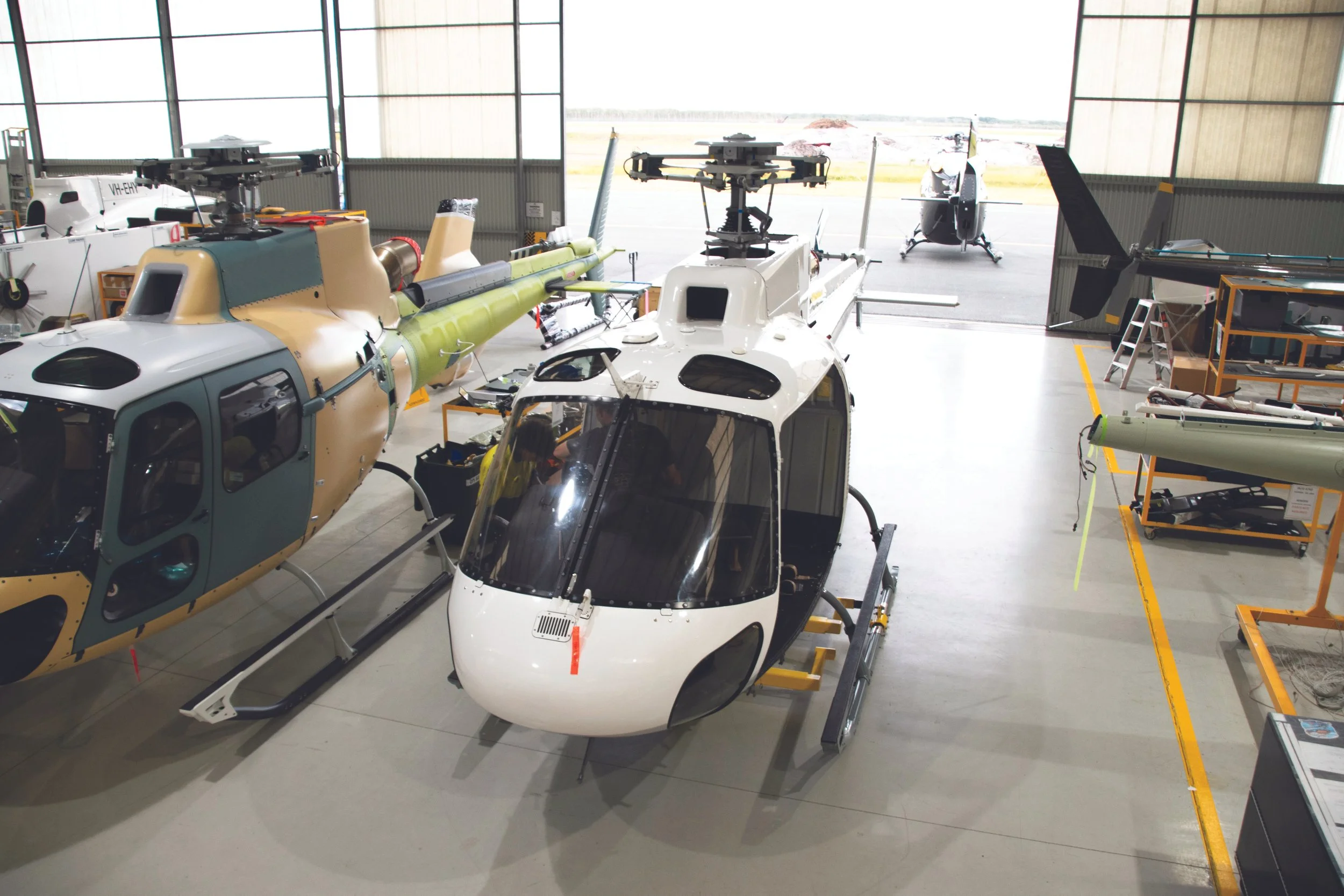
With the continuous growth and modernisation of the helicopter fleet, there is a pressing need for engineers who are trained in the latest technologies and maintenance practices.Regulatory Requirements
Strict aviation safety regulations necessitate regular maintenance and inspections, creating a steady demand for qualified engineers to ensure compliance and operational safety.Diverse Operational Activities
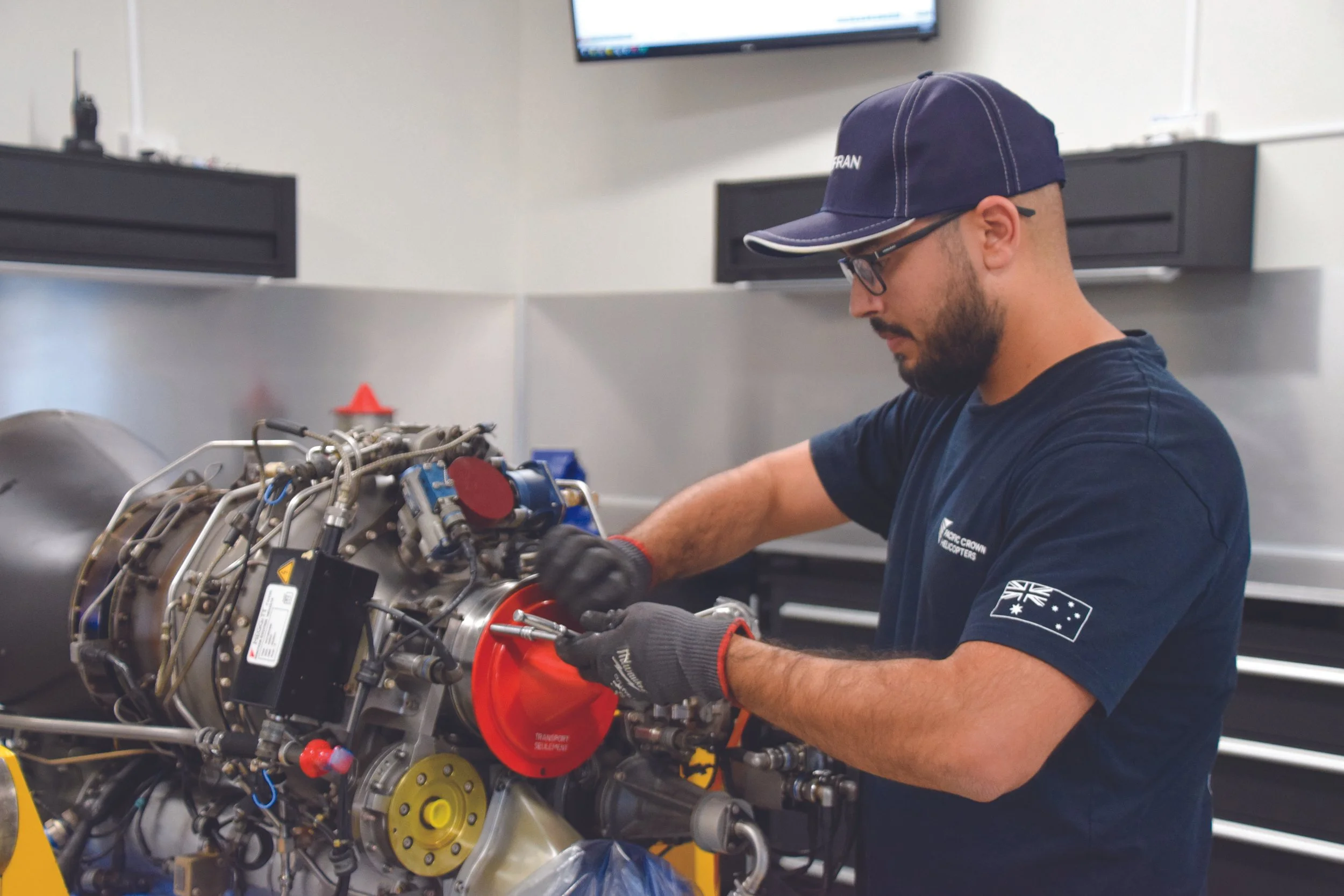
The wide range of helicopter operations, including emergency medical services, fire-fighting, search and rescue, agriculture, and tourism, all require specialised maintenance skills to keep the fleet operational and safe.Aging Workforce
The helicopter engineering workforce is aging, leading to an increasing number of retirements. This trend is driving a demand for new talent to replace experienced engineers and maintain industry standards.
Global Market Integration
Australia’s integration into the global helicopter market, including participation in international operations and collaborations, will necessitate a workforce that is adaptable and skilled in a range of maintenance practices and standards.Sustainability and Efficiency Initiatives
As the industry moves towards more sustainable and efficient operations, there will be a demand for engineers who are knowledgeable in green technologies and practices.
The demand for helicopter engineers in Australia is currently high and is expected to grow in the future. This presents a significant opportunity for individuals interested in pursuing a career in this field, as well as for educational institutions and training providers to develop programs that address the evolving needs of the helicopter industry.